
Turn Your Shared Meter Into a Revenue Stream: How Landlords Can Sell Light to Tenants
Landlords don't just have to manage a shared meter — they can sell light to tenants at their own rate. Here's how the revenue side of Power Splitter works.
By Power Splitter Team
Turn Your Shared Meter Into a Revenue Stream: How Landlords Can Sell Light to Tenants
Most landlords think about a shared prepaid meter as a cost to manage, or at best, a headache to avoid. Few think about it as a potential source of income mainly because, until recently, there wasn't really a practical way to do that. With Power Splitter's landlord dashboard, there is.
How It Actually Works
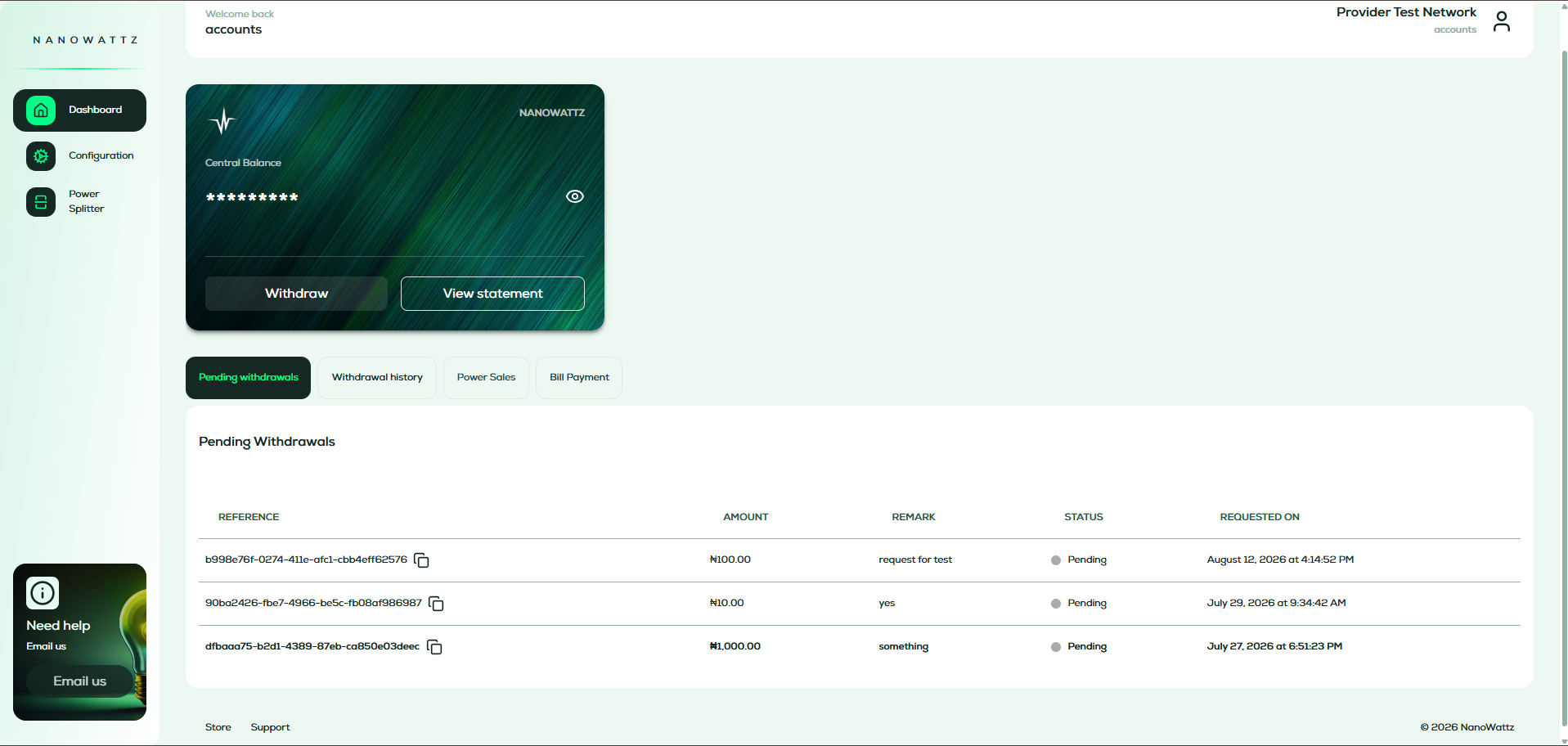
Instead of tenants buying their electricity directly from their DISCO, a landlord or facility manager can choose to buy power centrally and resell it to tenants at a rate they set themselves, through their own dashboard. Tenants still get the fairness they'd get from any independent-billing setup: individually tracked usage, no shared pot, no subsidizing a neighbor. The difference is who's doing the buying and selling.
Why a Landlord Might Choose This Over Tenant-Direct
A small margin on every unit sold — you set the rate, so there's room to cover your own time and effort managing the compound's power.
One dashboard for more than just electricity — service charges, security dues, or other recurring costs can sit in the same place, so you're not juggling separate collection systems.
Leverage when someone doesn't pay — you can see exactly who's behind, and if needed, turn off a specific tenant's power directly from your dashboard.
Full visibility — track what every tenant buys and uses, without needing to ask anyone or wait for a report.
This Isn't for Every Landlord — And That's Fine
If you'd genuinely rather not be involved in billing at all, the tenant-direct model exists for exactly that reason, and there's nothing wrong with choosing it. The revenue model is for landlords and facility managers who are already hands-on with their properties and would rather that involvement come with a small upside, instead of being purely unpaid admin work.
Getting Started
The hardware setup is identical either way — the same Power Splitter units, the same installation process. The only difference is which dashboard you're using once it's live: the tenant-facing one, or the landlord one where you set your own rate. If you're managing multiple units or an entire compound, it's worth weighing whether that time is better spent for free, or for a small return.